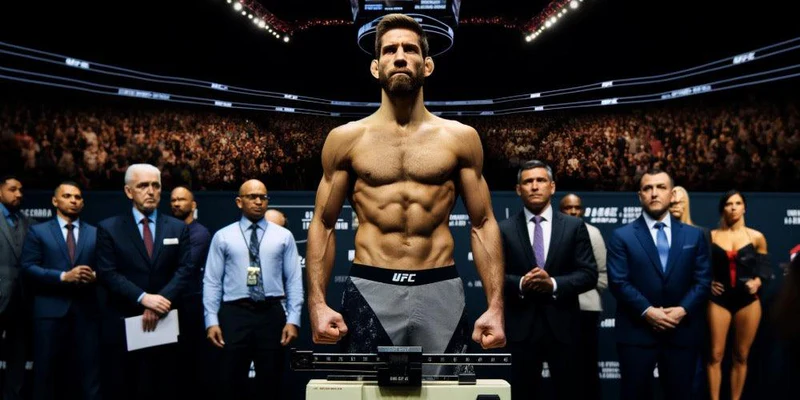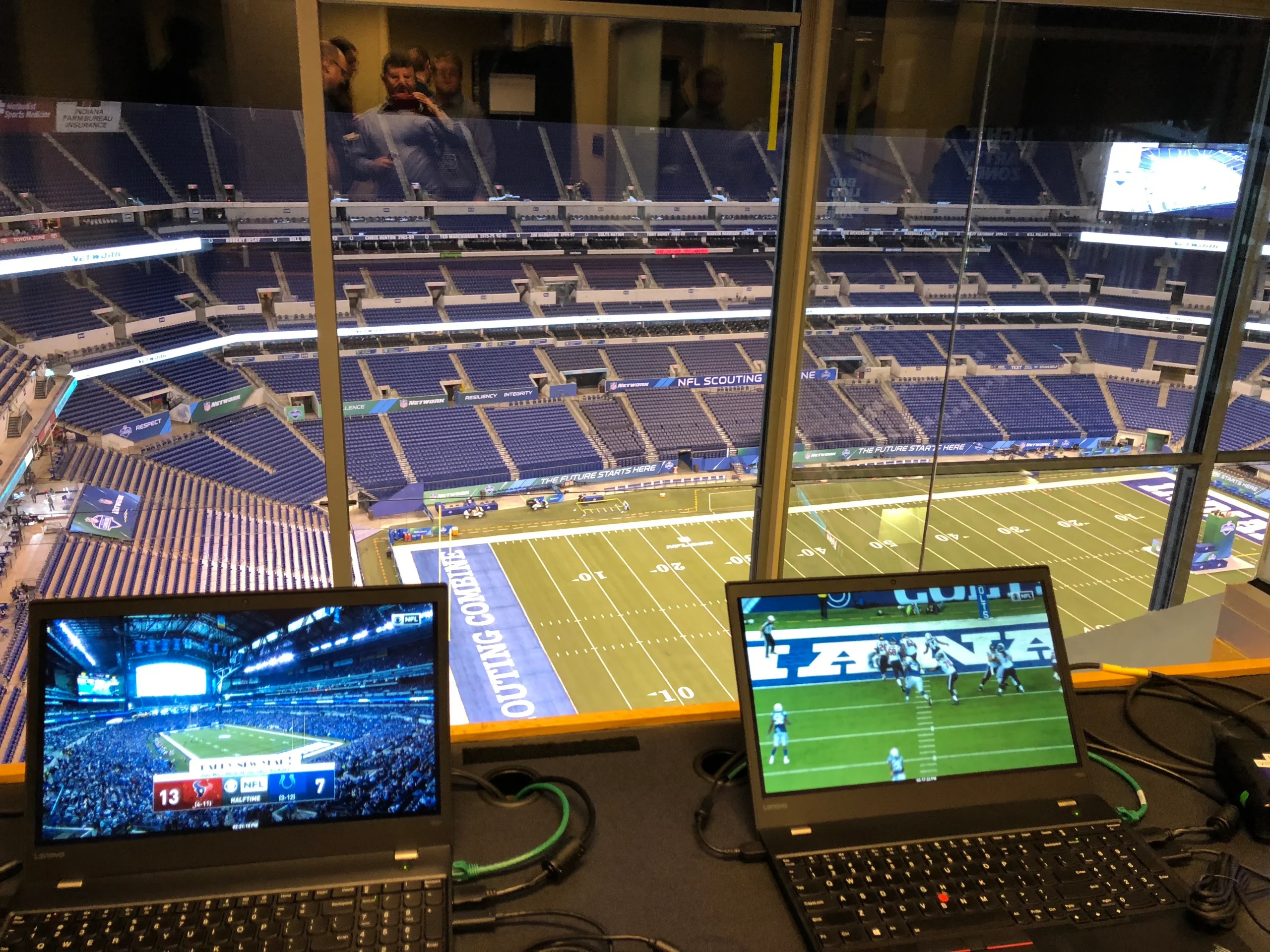


A great game rarely begins when the clock starts. It begins in the arguments at breakfast, the injury updates on your phone, the radio callers convinced they know the score, and the quiet little doubts fans carry into kickoff. For American sports fans, big matchups are not only games; they are weekly pressure tests for pride, patience, and belief.
Before the first whistle, every detail starts to feel loaded. A left tackle’s ankle. A rookie guard facing a veteran scorer. A manager’s lineup card. A rivalry crowd that smells weakness before the visiting team even warms up. Readers who follow smart sports coverage through trusted platforms like digital sports commentary know that the best conversations happen before the action begins, because that is when possibility still has teeth.
The mistake is treating a game preview like a prediction machine. The better approach is sharper and more human: study the pressure, understand the matchups, read the setting, then admit that sports still has room to surprise you.
Why the Best Game Preview Starts Before the Noise Peaks
The hours before a major American sporting event are packed with noise, but not all of it deserves your attention. Hot takes get loud because they are easy to sell. A useful game preview does something different: it slows the room down, separates signal from theater, and shows you what will matter once the whistle blows.
Reading the matchup before the scoreboard lies
The scoreboard tells the truth late, but it often hides the truth early. A football team may lead 10–0 while losing the line of scrimmage. A basketball team may hit a burst of threes while giving up clean looks that will punish them later. Baseball can look calm for five innings until one bullpen matchup flips the night.
That is why smart pre-game analysis looks beneath the score prediction. You want to know where the stress points are. A cornerback who struggles with double moves against a receiver who sells routes like a con artist matters more than a generic “team speed” comment. A center who cannot defend in space against a pick-and-roll heavy offense can shape an entire NBA playoff game before anyone takes a shot.
Fans in the United States understand this instinctively because sports talk here lives in detail. Tailgates, barbershops, group chats, fantasy leagues, and local radio all run on the same fuel: “Where can they actually win this thing?” The best answer usually hides in one or two small battles that casual viewers notice only after the broadcast points them out.
How pre-game analysis cuts through hype
Hype has its place. It makes rivalry week feel bigger, turns Sunday night into an event, and gives fans a reason to care beyond the standings. The problem comes when hype replaces thought. A team can have a famous quarterback, a national brand, and a loud fan base, yet still walk into a terrible tactical spot.
Pre-game analysis earns its value by asking colder questions. Who is missing practice? Which unit has been exposed over the last three games? Which coach tends to change first when Plan A fails? Those questions do not kill excitement. They make the excitement smarter.
A grounded example comes from NFL games where a favorite enters with a stronger record but a weak run defense. The national conversation may focus on the star quarterback, yet the underdog’s path may sit in a slower game script: long drives, fewer possessions, and pressure placed on the favorite to play clean. That is not glamorous. It wins games.
Where Team Matchups Turn Into Real Pressure
Once the broad story is clear, the real work begins. Team matchups are not spreadsheet rows; they are collisions between habits, strengths, and stubborn coaching beliefs. The best teams do not win because they are good at everything. They win because they force opponents into choices that feel bad either way.
Which team matchups reveal hidden advantages?
Some advantages look tiny until the game exposes them. A college basketball team with average shooting can become dangerous if it crashes the glass against a poor defensive rebounding unit. An MLB lineup that lacks star power can still wear down a starter if it refuses to chase. An NHL team that rolls four disciplined lines can drain a flashier opponent that depends too much on its top six.
Team matchups matter most when styles clash. Speed against size. Patience against pressure. Depth against star power. A team built to run may hate facing an opponent that turns every possession into a wrestling match. A pass-heavy football offense may look less explosive when the opposing defense can rush four and drop seven into coverage.
This is where many fans get fooled. They compare records and miss the shape of the game. A 9–3 team can be the wrong favorite against a 7–5 opponent if the underdog attacks its softest spot. Records tell you what happened. Matchups tell you how the next problem may arrive.
Why star power can hide fragile edges
American sports culture loves stars, and for good reason. Patrick Mahomes, Caitlin Clark, Aaron Judge, LeBron James, Connor McDavid, and other headline names bend attention because they bend games. Still, star power can cover cracks until the wrong opponent makes those cracks impossible to ignore.
A basketball team with one elite scorer may look unstoppable until a playoff opponent sends length, help defense, and physical pressure from the opening tip. A football team with a brilliant quarterback may survive poor pass protection in September, then suffer in January when the rush gets faster and the windows shrink. Talent can solve many problems. It cannot solve every bad structure.
The counterintuitive part is that a superstar sometimes makes a team harder to analyze. Fans expect greatness to erase context, but context keeps knocking. A star can win a matchup, lose the larger math, and still take the blame because the public watched the final shot instead of the previous 47 minutes.
That is why serious matchup previews treat stars as part of the puzzle, not the whole board. The better question is not, “Can the star go off?” The better question is, “What must happen around the star for that performance to decide the game?”
How the First Whistle Changes Fan Expectations
The build-up before a game feels open because every fan still owns a version of the future. Once the first whistle sounds, that imagined game starts losing options. The pace, contact, crowd mood, and early coaching choices begin replacing theory with evidence.
What first whistle moments tell careful fans
The opening minutes can reveal more than the first score. In football, the first scripted drive often shows whether a coaching staff trusts its offensive line, wants to test the secondary, or fears a certain pass rusher. In basketball, the first defensive coverage tells you whether a team plans to switch, drop, trap, or dare a weaker shooter to prove something.
First whistle moments also expose nerves. A home favorite that opens tight can feed an underdog’s belief. A visiting team that survives the first crowd wave can pull energy from the building. In playoff hockey, the first few shifts may show whether one team came to hit for effect or chase the puck without discipline.
Fans should watch body language without turning into mind readers. Slumped shoulders after one mistake mean little. Repeated late rotations, rushed possessions, and players looking toward the bench for answers mean more. The game is speaking early. You only need to listen without shouting over it.
Why early momentum is not the same as control
Momentum feels powerful because it is emotional. A blocked punt, a fast 8–0 run, or a leadoff homer can make an entire stadium believe the night has chosen a side. Yet early momentum can mislead anyone who confuses noise with control.
Control comes from repeatable advantage. A team that scores quickly on a broken coverage has momentum. A team that keeps creating open looks from the same action has control. A baseball club that benefits from one error has a break. A club that forces long at-bats and reaches the middle relief by the sixth inning has pressure working in its favor.
This distinction changes how you watch. Instead of reacting to every swing, ask whether the event can happen again. Can the offensive line keep creating lanes? Can the defense keep surviving switches? Can the pitcher keep landing the second pitch for a strike? The answer tells you whether the early story has roots or only sparks.
A game can turn on sparks, of course. That is part of the charm. Still, fans who separate sparks from structure usually understand the night faster than everyone else in the room.
Building Smarter Sports Predictions Without Killing the Fun
Predictions are part of the ritual, and nobody should pretend otherwise. Fans want picks. Friends want arguments. Shows need segments. The trick is making sports predictions that sharpen the viewing experience instead of flattening it into a win-loss guess.
Why sports predictions need context, not courage
Loud predictions often sound confident because they skip the hard part. Anyone can say a favorite will dominate. A sharper prediction explains what must happen for that call to become true. That difference matters because games are not decided by confidence; they are decided by conditions.
Sports predictions should include a path. For example, saying the Dallas Cowboys will beat the Philadelphia Eagles means less than saying Dallas must protect against interior pressure, avoid second-and-long, and force Philadelphia into longer passing downs. The second version gives you something to watch. It can be tested as the game unfolds.
Context also protects fans from lazy certainty. Weather can shrink a football game. Foul trouble can wreck a basketball plan. A rested bullpen can change a baseball series. Travel, altitude, short weeks, and emotional letdowns all shape performance in ways that basic records never catch.
The strongest prediction is not the boldest one. It is the one that survives contact with real conditions.
How fans can make sharper calls at home
You do not need a scouting department to read a game better. Start with three questions before every major matchup: where is the clearest physical edge, which coach faces the harder adjustment, and what result would force the favorite out of its comfort zone? Those questions cut through noise fast.
A simple pre-game checklist helps too:
- Identify one position battle that could tilt the game.
- Note one injury or absence that changes a normal role.
- Watch the first two possessions for signs of the game plan.
- Track whether early success comes from design or mistakes.
This approach makes viewing more fun because it gives your attention a job. Instead of waiting to see whether your pick was right, you watch the argument build in real time. You notice the safety creeping downhill. You see the weak-side defender hesitate. You catch the pitcher losing trust in a pitch before the announcer says it.
That is the sweet spot. You are still a fan, still emotional, still allowed to yell at the screen. You are only yelling with better information.
Conclusion
The best sports conversations do not end with a score prediction. They begin with a better way to see the contest before it announces itself. When you study pressure points, style clashes, early signals, and the conditions around the athletes, you stop treating games like coin flips dressed in jerseys. You start watching with purpose.
That matters because big matchups reward the fan who pays attention before everyone else catches up. The clue may be a substitution pattern, a shaky pass set, a defender ducking under screens, or a coach refusing to trust the bench. Small signs grow teeth when the stakes rise.
The next time a major game approaches, resist the lazy question of who wants it more. Ask who can impose the cleaner plan, who can adjust without panic, and who has the edge that will still matter in the final minutes. Watch the game before the game, and the first whistle will sound less like a beginning than a reveal.
Frequently Asked Questions
What is the best way to break down a major sports matchup?
Start with the clearest points of pressure. Look at injuries, style clashes, coaching habits, and position battles before comparing records. The strongest breakdown explains how each team can win, not only which team looks better on paper.
How does a game preview help fans understand the action better?
A game preview gives fans a viewing map before the event begins. It highlights the matchups, risks, and early signs that may shape the result. That makes the game easier to follow and much more rewarding to discuss.
Why do team matchups matter more than overall records?
Records show past results, while team matchups show how strengths and weaknesses collide in a specific contest. A weaker overall team can still hold the right tactical edge if its style attacks the favorite’s softest area.
What should fans watch before the first whistle?
Fans should watch lineup choices, warm-up movement, injury limitations, crowd energy, and early coaching signals. Those details often reveal whether a team feels settled, stretched, or forced into a plan it does not fully trust.
How can pre-game analysis improve sports predictions?
Pre-game analysis improves predictions by tying them to real conditions. Instead of guessing a winner based on reputation, fans can judge matchups, pace, depth, injuries, and likely adjustments. That creates smarter calls and better in-game reactions.
Why is early momentum sometimes misleading in sports?
Early momentum can come from one mistake, one lucky bounce, or one hot shooting stretch. Control is different because it comes from repeatable advantages. Fans should ask whether early success can keep happening after the opponent adjusts.
What makes rivalry games harder to predict?
Rivalry games carry emotional weight that can bend normal expectations. Familiar opponents know each other’s habits, crowds feel louder, and players often compete with extra edge. Talent still matters, but composure and discipline often decide the night.
How can casual fans read sports matchups like experts?
Casual fans can focus on one or two key battles instead of trying to track everything. Watch protection, spacing, substitutions, defensive choices, and body language after mistakes. Expert viewing starts with noticing patterns, not memorizing every statistic.