

A player can look steady, answer questions, and still leave doctors uneasy. The NFL concussion protocol has changed over the years, but the core worry has not gone away: football asks medical judgment to work inside a workplace built for speed, pain, pride, and public pressure. For American fans trying to understand the debate beyond Sunday-night outrage, the issue is not whether the league has done nothing. It has added independent doctors, booth spotters, no-go signs, and a staged return process reviewed by its Head, Neck and Spine Committee. The harder question is whether those steps can protect a brain injury that often hides, shifts, or worsens after the cameras move on. That is why sports health reporting and public safety coverage keeps returning to the same uncomfortable truth: rules can reduce danger, but they cannot remove the conflict baked into pro football. Medical experts want a system that treats doubt as a warning sign, not an obstacle to clear.
Why NFL concussion protocol Changes Still Leave Gaps for Doctors
The league’s rules now look far stronger than the loose sideline culture older fans remember. A diagnosed player must move through a staged path before full practice or game action, and an Independent Neurological Consultant has to confirm final clearance. That sounds firm. Yet doctors who study brain injury often focus less on the paper process and more on what happens in the gray zone before diagnosis, where a player may deny symptoms, a replay may be unclear, and a doctor may be asked to make a call under loud, strange conditions.
A checklist can be followed and still miss the point
The Tua Tagovailoa case in 2022 became the modern example because it showed how a process can be followed and still feel wrong to many people watching at home. The NFLPA later argued that treating the rules as a checklist could pull the sport back toward a “return to work” culture instead of patient-first care. That line matters because it separates rule compliance from medical wisdom.
A checklist works well when the danger is clear. Brain injuries are not that polite. A player can pass a sideline exam, blame wobbling on a back or ankle, and still have a head injury that deserves caution. That does not mean every team doctor is careless. It means the setting pushes everyone toward a fast answer when the safer answer may be “we do not know yet.”
The counterintuitive part is that more steps can make fans feel safer while giving the system more places to hide uncertainty. A long form, a tent exam, and an outside consultant can all be present, yet the hardest call may still come down to whether one strange movement was neurological or not. That is a thin line for a billion-dollar sport to stand on.
Ataxia closed one door, but symptoms still move around
After the Tagovailoa review, the league and union changed the no-go language by adding ataxia, described as abnormal balance, motor coordination, or speech tied to a neurological issue. If that sign is diagnosed, the player cannot return to that game. That was a real fix because it narrowed the old escape hatch around gross motor instability.
Yet medical experts still worry because concussion signs do not always arrive like a bright red light. Some symptoms fade under adrenaline. Some show up after the game, on the flight home, or the next morning. The NFL itself has acknowledged delayed symptoms as part of postgame care in league explanations of the process.
A useful comparison is not a broken wrist. It is more like a faulty smoke alarm in a crowded building. You do not celebrate because the alarm stayed quiet for five minutes. You ask whether anyone smelled smoke, whether someone reset it too soon, and whether people inside had reason to ignore it. That is the medical fear: the system can be better than before and still too trusting of early clarity.
The Sideline Problem: Fast Decisions Inside a Violent Clock
A football sideline is a poor place to judge a brain. It is loud, bright, crowded, and tied to a game clock that keeps moving. The current system uses unaffiliated neurotrauma consultants, booth spotters, locker-room exams, and club physicians. Those layers are meant to take pressure off one person. Still, the sideline remains a workplace where coaches need answers, players want back in, and millions of people are watching the pause.
Independent doctors help, but independence has limits
The Independent Neurological Consultant is not affiliated with a club, and the NFL says final full-participation clearance must be confirmed by that outside physician. That independence matters. It gives the team doctor a partner who is not hired to win games and gives the player one more barrier against rushing back.
But independence at final clearance is not the same as full control over every pressure point. A player first has to be identified, removed, tested, monitored, and believed. A booth spotter can call down. A neutral doctor can evaluate. A club doctor can decide. Each step has a human hinge.
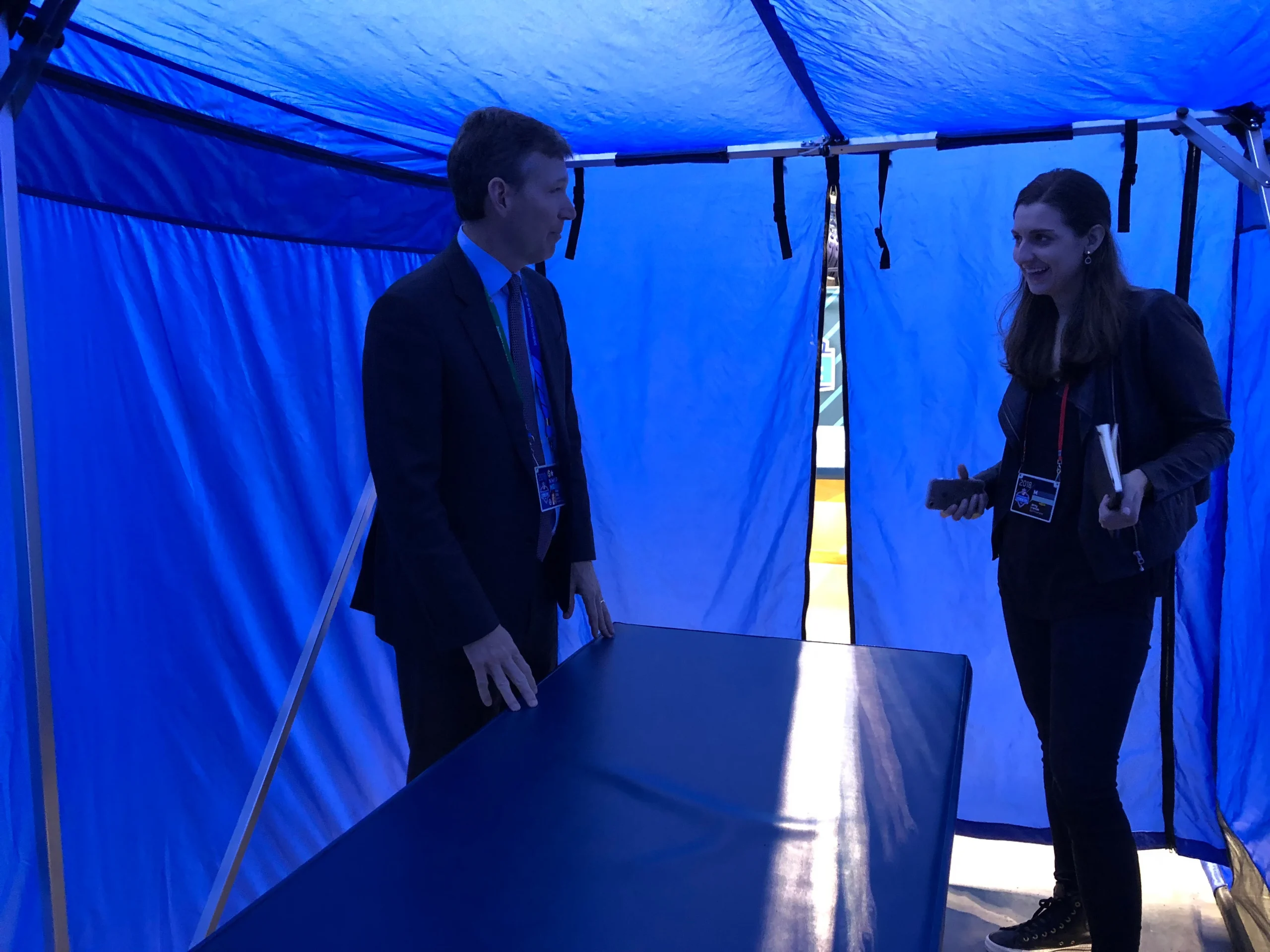
A concrete example came from the sideline tent issue involving the Giants in 2025, when team figures were fined after entering or approaching the medical area during a quarterback evaluation. Reports said the medical exam itself was not found to be mishandled, but the league and union treated the appearance of interference as a serious breach. That is the point. Even the image of pressure can harm trust.
The best exam may be the one that slows the sport down
Football hates waiting. Medicine often requires it. That mismatch is why return-to-play rules create tension in the first place. The American Academy of Neurology says there is no fixed safe timeline, and athletes suspected of concussion should be removed and not return until assessed by a trained licensed professional. The phrase “no set timeline” lands hard in a league that builds each week around availability reports.
The non-obvious insight is that the most protective change may not be a new test. It may be a cultural bias toward delay. When a player takes a heavy hit late in the second quarter, the safest answer might cost only thirty minutes of game time. When a star quarterback is involved, that same pause can feel like a season turning.
That is why medical experts tend to distrust systems that treat same-day return as a normal possibility after a scary sign. They know the brain does not care about playoff odds. It cares about swelling, symptoms, prior injury, sleep, exertion, and time. None of those fit neatly between a punt and a commercial break.
Why Return-to-Play Rules Cannot Answer the Hardest Question
Once a player is diagnosed, the league’s staged return process becomes clearer. The player moves from rest and light activity toward football-specific work, non-contact drills, full football activity, and final clearance. The CDC’s public return-to-play guidance follows a similar staged idea, with each step taking at least 24 hours and symptoms sending the athlete back to the prior step. That staged model is sound. The dispute begins when the question shifts from “can he complete steps?” to “should he keep playing this sport?”
Passing stages does not erase past exposure
Return-to-play rules are built around current symptoms. They ask whether the player can tolerate activity now. That is needed, but it cannot fully answer the question that families, neurologists, and former players keep asking: how much cumulative damage is too much?
Tagovailoa’s later concussion debate in 2024 showed the gap. He cleared the league process and was expected to return after meeting with medical experts, according to NFL reporting at the time. Yet outside concern did not end because clearance from one injury is not the same as comfort with repeated injuries across a career.
A player can be symptom-free today and still face a higher-risk future. The AAN guideline notes that prior concussion is linked to greater risk of another diagnosed concussion, and the first 10 days after an injury may carry added risk. That does not mean one past injury should end a career. It does mean the question is bigger than one clean practice.
The hardest medical answer may be “we cannot predict it”
Fans often want one doctor to say yes or no. That sounds fair. A player wants the same thing. So does a coach. The problem is that concussion medicine often works with probabilities, not guarantees. A scan may look normal. A player may feel fine. A history may still raise concern.
That uncertainty makes retirement debates messy. In 2024, medical voices raised concern about repeated concussions and the risk that future blows might require less force or lead to longer recovery. That kind of warning is not always dramatic. It is measured. It asks a player to think about age 45, not Sunday.
The counterintuitive truth is that a stricter return path may make the individual injury safer while leaving the career question untouched. You can build a better bridge across a river and still ask whether people should cross during a flood. That is where football player safety updates should focus more attention: not only clearance, but repeated exposure, role, playing style, and long-term tradeoffs.
What Medical Experts Still Want Before Fans Trust the System
Medical experts are not asking the NFL to solve brain injury with one magic rule. Most know that tackle football will always carry head trauma risk. Their concern is narrower and sharper: the league should treat uncertainty, repeat injury, and sideline pressure as central problems rather than rare exceptions. That means the next stage of concussion protocol changes has to move beyond the appearance of safety.
Transparency would make the process easier to believe
The NFL reported a record-low concussion total for the 2024 season, saying concussions fell 17 percent from the prior year and that doctors still evaluated several players for each diagnosed case. That is meaningful progress. Fewer diagnosed concussions are better than more. Improved helmets, Guardian Caps, and kickoff changes may all help reduce certain types of contact.
Still, trust does not come only from totals. It comes from showing how decisions are made when cases are uncomfortable. How often did a booth spotter call down? How often did a player report symptoms the next day? How many players returned the same week? How often did past concussion history slow clearance?
The non-obvious insight is that lower numbers can create more skepticism if fans think the league is grading its own paper. Medical experts do not need every private detail from a player’s chart. They do need enough public reporting to see patterns. That is where brain injury awareness resources can help readers separate real progress from polished messaging.
Rule changes must target the hits that keep coming back
The NFL has tried to lower high-speed impacts through equipment and rule design. The dynamic kickoff was one example, meant to revive returns while reducing collision speed. Yet later reporting showed the league was still wrestling with concussion increases on kickoffs after more returns came back into the game. Safety design in football often works this way: fix one risk, then watch a new pattern appear.
That does not make reform pointless. It makes reform constant. Medical experts want the league to track where head injuries cluster, then change the conditions that create them. That could mean more replay support for safety fouls, tougher removal rules after visible signs, more cautious treatment of repeat concussions, and stronger barriers between coaches and medical spaces.
The sport also needs to admit that equipment has limits. Better helmets may lower some risks, but the AAN has stated there is no clear evidence that one football helmet type can better protect against concussion than another. A safer helmet is not a permission slip. It is one layer in a sport where the head still moves, the brain still shifts, and the next hit may arrive before doubt has cleared.
Conclusion
The league deserves credit for building a stronger system than the one older players endured. Independent review, no-go signs, booth spotters, staged clearance, and yearly review all matter. But the NFL concussion protocol still leaves medical experts unsatisfied because the deepest problem is not paperwork. It is timing, culture, uncertainty, and repeated exposure inside a sport that rewards playing through pain. A rule can remove a player after ataxia. It cannot always catch symptoms that arrive later. A consultant can confirm clearance. He cannot fully predict what one more hit means for a player with a long history. That is why the next debate should be less about whether the league has changed and more about whether the system is brave enough to slow down when the answer is unclear. Fans can love football and still demand a higher medical standard. In fact, that may be the only honest way to keep watching.
Frequently Asked Questions
What changed after the Tua Tagovailoa concussion controversy?
The league and players union added ataxia to the mandatory no-go signs. That means abnormal balance, coordination, or speech tied to a neurological issue should remove a player from the game, even if he later performs well on parts of an exam.
Why are medical experts still worried about NFL head injuries?
Concussions can be hard to diagnose in real time, and symptoms may appear later. Experts also worry about repeat injuries, subconcussive hits, player self-reporting, and the pressure to return star athletes before the brain has had enough time to recover.
How many steps are in the NFL return process after a concussion?
The league uses a five-phase return process after diagnosis. A player must progress through activity levels without symptoms, then receive clearance from the club physician and an Independent Neurological Consultant before full football participation.
Can a player return to the same game after being checked for a concussion?
Yes, but only if he is evaluated and not diagnosed with a concussion or a mandatory no-go sign. That is where debate begins, because some symptoms are subtle, delayed, or difficult to separate from other injuries during live play.
Do better helmets prevent concussions in football?
Better helmet design may reduce some impact risk, but helmets do not prevent all concussions. Brain injury can happen when the brain moves inside the skull, so equipment helps most when paired with safer rules, coaching, and removal decisions.
Why does concussion history matter for NFL players?
A prior concussion can raise concern for future injury and longer recovery. Doctors look at current symptoms, but they should also weigh the player’s injury history, position, style of play, and timing before clearing another return.
Are independent neurologists enough to protect players?
They help, but they are not a full answer. A player still has to be spotted, removed, evaluated, and monitored in a setting filled with pressure. Independence works best when the culture around the exam also favors caution.
What would make NFL concussion care more trusted?
Clearer public reporting, stricter handling of repeat injuries, stronger sideline boundaries, and more caution after visible symptoms would help. Fans do not need private medical charts, but they do need proof that uncertainty leads to protection, not faster return.