
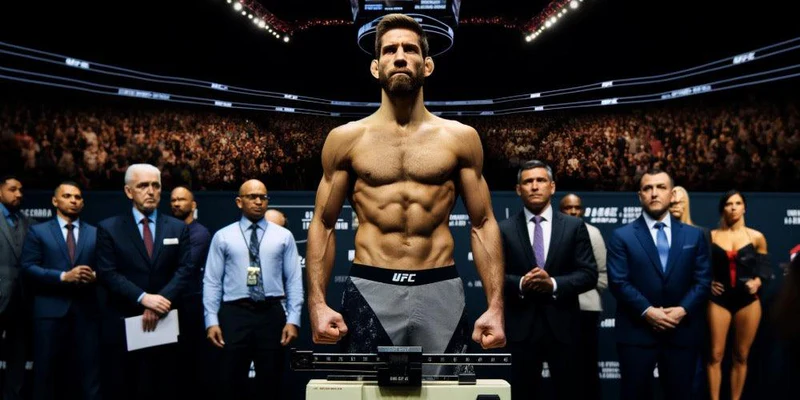
The roughest fight in the UFC often happens before the cage door shuts. Fans see the stare-down, the flexed abs, the clean number on the scale, then assume the hard part is over. It is not. The phrase weight cutting dangers sounds dramatic until you watch a trained athlete stumble through a hotel hallway, wrapped in towels, trying to sweat out one more pound. For American fans who follow weigh-ins like theater, the missing story is what the body pays to make that theater possible. A smart UFC fighter diet should support training, recovery, sleep, and brain health, yet fight week can turn food and water into tools of punishment. That is why serious sports coverage needs to treat the scale as more than a pre-fight ritual. Studies of UFC athletes have found major body-weight drops in the final days before weigh-ins, with one analysis reporting about 6.7% body-weight loss in the last 72 hours before the scale. The real issue is not discipline. It is a system that rewards looking smaller on Friday and fighting bigger on Saturday.
Why Weight Cutting Dangers Start Before Fight Week
A bad cut does not begin in the sauna. It begins weeks earlier, when a fighter and team decide the athlete can “make it” again. That phrase hides a lot. It can mean tighter meals, harder conditioning, less salt, less carbohydrate, less sleep, more stress, and a quiet belief that suffering proves commitment.
The scale can reward the wrong behavior
Weight classes are meant to create fairness, but the current culture often pushes fighters to compete below their natural training weight. A lightweight may walk around closer to a welterweight. A bantamweight may spend camp living like a featherweight, then spend fight week trying to look like a bantamweight for ten minutes.
That is the strange math of MMA. The athlete who eats enough to train well may look “too big” for the division. The athlete who shrinks hardest may gain the size edge. So the sport ends up praising the very habit that can drain the performance fans paid to see.
California tried to address this by passing a rule that could cancel a fight if a competitor weighed more than 15% above the contracted weight on fight day. The goal was to discourage fighters from drying out, making weight, then rebounding into the cage far heavier. ESPN reported that MMA fighters can gain back large amounts between weigh-in and fight night, and California officials called the gap a safety issue.
That rule points to a truth the sport still dislikes: the weigh-in is not proof of fairness. It may be proof that one person tolerated a harsher water cut.
UFC fighter diet choices get distorted by fear
A proper UFC fighter diet should be boring in the best way. Enough protein. Enough carbohydrates for hard rounds. Enough fat for hormones. Enough fluids and sodium to keep the body working. The meals should support the job.
Fight camp often bends that logic. Carbs get cut because they hold water. Salt gets cut because it affects fluid balance. Fiber drops because the gut has weight. Meals shrink not because the athlete has stopped needing fuel, but because the scale is now treated like an opponent.
Here is the part fans miss: a fighter can look “in shape” while being underfed. Sharp cheekbones and flat muscles may read as discipline on a poster. In the gym, they can mean weaker scrambles, slower reactions, worse mood, and lower punch output.
The counterintuitive point is simple. The cleanest-looking fighter at weigh-ins may not be the best-prepared fighter. Sometimes the healthier athlete looks fuller, less hollow, less dramatic. That does not sell as well on camera, but it often fights better.
For more publishing angles around athlete preparation, combat sports performance planning can be connected to training, recovery, and fan education without treating suffering as entertainment.
The Diet Behind the Scale Is Not as Clean as Fans Think
Nutrition in MMA has a polished public image now. Fighters post meal-prep boxes, electrolyte packets, lean protein bowls, and recovery shakes. That helps. The old days of guessing and starving have faded for many pros. Still, a glossy food plan can become a damage-control plan when the target weight is too low.
Good nutrition cannot fix a reckless target
A dietitian can make a cut safer, but no expert can make an extreme target harmless. That is the line people avoid. If a fighter has to lose too much water near the end, the plan has already failed in spirit, even if the athlete hits the number.
Combat sports weight management should start with the natural body, not the fantasy division. The smarter question is not, “Can this athlete make 155?” It is, “Can this athlete train hard, recover well, think clearly, sleep enough, and still make 155 without a late emergency?”
Many camps answer the first question and skip the second.
You can see the problem in small choices. A fighter may train twice a day while eating less than a busy office worker. They may talk about “discipline” while their resting mood turns flat. They may hit every session but lose snap. Coaches sometimes read that as mental toughness. It may be fuel debt.
The last pounds are not normal weight loss
Slow fat loss and rapid water loss are different animals. Losing body fat takes time. Dropping water can happen fast, but the body does not see it as a trick. It sees less blood volume, less fluid in tissues, and a harder job keeping temperature and pressure steady.
That is where MMA dehydration risks become more than a health lecture. The athlete is not only thirsty. They are asking the body to train, sweat, think, travel, pose for media, sleep, and then fight after a forced fluid crash.
The CDC’s heat-related illness guidance notes that heavy sweating can deplete salt and moisture, leading to symptoms such as muscle cramps, weakness, dizziness, nausea, and headache. That guidance is not written for UFC weigh-ins, but the body does not care about branding. Sweat loss has consequences.
The non-obvious part is that a fighter may feel worse after rehydrating. Chugging fluids is not the same as restoring the body. The gut can rebel. Sleep can stay poor. The nervous system can remain stressed. The muscles may refill enough to look normal, while timing and focus lag behind.
That is why a safer UFC fighter diet must be judged across the full week, not by the meal photo posted after weigh-ins.
Dehydration Turns Skill Into Liability
Fans love technical detail. Southpaw traps. Cage wrestling. Calf kicks. Submission chains. Yet all that skill sits inside a body that needs fluid to function. Take enough water away and the same fighter becomes a slower, less stable version of themselves.
Brain safety gets harder to read
Dehydration can mimic or worsen symptoms that matter in fight safety. Dizziness, headache, low energy, poor coordination, and fogginess can come from a bad cut. They can also look like signs tied to head trauma. That overlap creates a nasty problem for doctors, coaches, and athletes who are trying to judge what is safe.
A study reported by St Mary’s University found that more than 60% of combat athletes said symptoms were worse after dehydrating to make weight. Researchers also warned that dehydration symptoms can blur concussion testing because signs such as headaches, dizziness, and lethargy can overlap.
That should bother every fan who wants clean competition. If an athlete enters the cage already foggy, the sport has made medical judgment harder before the first strike lands.
Here is the uncomfortable insight: dehydration may hide risk and create risk at the same time. A fighter might pass a basic check because everyone expects them to look drained. Then, after strikes land, the same baseline makes it harder to know what changed.
Power can survive while judgment fades
A dangerous cut does not always make a fighter look weak at first. They may still crack pads. They may still stare hard. They may still win the first exchange. Power can hang around longer than judgment.
That is why fans can be fooled.
The losses show up in smaller places. A late sprawl is half a beat slow. A fighter accepts bottom position instead of scrambling. A jab comes back low. The athlete hears the corner but cannot process the instruction fast enough. These are not excuses. They are signs that the body has fewer resources left.
MMA dehydration risks also hit the kidneys and cardiovascular system. A 2026 study on combat sports athletes examined acute kidney effects tied to dehydration-based weight loss and described changes that suggested kidney stress around weigh-ins and fight day. Older research on combat sports weight cutting has also warned that dehydration can raise cardiovascular strain and reduce athlete well-being.
The cage does not forgive that. A tired basketball player can call for a sub. A fighter stuck under top pressure has no such escape. That difference should shape how the sport talks about risk.
For readers building connected content, MMA recovery and injury prevention is a natural internal link because the cut, the camp, and the fight are one body story.
What Safer Fight Camps Should Demand From the Sport
The answer is not to shame fighters. Most are making rational choices inside a risky system. If everyone around you cuts hard, staying closer to your natural weight can feel like volunteering to be small. Fixing this requires better incentives, not speeches about toughness.
Hydration testing would change the conversation
Hydration checks are not perfect, but they move the focus away from scale theater. A fighter should not be rewarded for arriving dry enough to make a number and large enough to bully the next night. That is not a clean test of martial skill. It is a test of who can survive a harsher body hack.
Combat sports weight management could include more out-of-competition weight tracking, fight-week hydration checks, and stronger pressure to move athletes up when the pattern is clear. California’s 15% fight-day rule showed one possible path, though even officials raised concerns that some athletes might try to cut twice if rules are designed poorly.
That warning matters. Bad rules can create new risks. A smart policy should not punish rehydration. It should discourage booking fighters in divisions that require extreme dehydration in the first place.
The better target is matchmaking culture. If an athlete keeps rebounding far above the class, that is not a badge of discipline. It is evidence the division may be wrong.
Teams need to stop treating suffering as proof
The old fight culture still lingers. If a fighter is miserable, the camp must be serious. If the athlete smiles during fight week, maybe they did not work hard enough. That thinking is lazy, and it costs performances.
A healthier camp would track more than weight. Morning mood. Sleep quality. Grip strength. Heart rate trends. Urine color. Training sharpness. Cravings. Missed menstrual cycles for female fighters. Sudden irritability. These signals tell a story before the athlete collapses on a scale.
The UFC Performance Institute has pushed MMA toward better performance science, and that shift matters because modern fighters need more than grit and a sweat suit. Still, the larger sport has to admit that expert support cannot protect athletes from every bad incentive.
The counterintuitive fix may be less dramatic weight cutting, not better dramatic weight cutting. Fans want sharper fights. Promotions want fewer cancellations. Fighters want longer careers. All three interests point in the same direction, even if the weigh-in show says otherwise.
A fighter who moves up and performs with energy may lose the false size edge, but gain pace, chin, mood, and durability. That trade is not weakness. It is adult decision-making in a sport that often rewards teenage logic.
Conclusion
The UFC has grown too smart to keep pretending the scale is only tradition. Every fan knows the ritual now: the towel, the stare, the flex, the rebound meal, the bigger body on fight night. What still gets ignored is the cost paid before the cameras turn on. The real weight cutting dangers are not limited to one ugly sauna story or one fighter missing weight. They sit inside the weekly choices that make dehydration feel normal. Better nutrition helps, but it cannot rescue a reckless division choice. Better rules help, but they must avoid pushing athletes into another unsafe corner. The next step is cultural. Coaches, commissions, managers, and fans need to praise fighters who choose the right class before they are forced into it. A cleaner sport does not mean softer fighters. It means sharper fights, longer careers, and fewer athletes gambling with organs for a one-night size edge. Start judging the cut with the same seriousness you judge the fight.
Frequently Asked Questions
How dangerous is UFC weight cutting for fighters?
It can be serious when rapid water loss replaces slow body-fat management. The main concern is dehydration, which may affect coordination, mood, kidney stress, heat control, and recovery. A supervised plan lowers risk, but an extreme target can still make the process unsafe.
Why do UFC fighters cut weight before a fight?
They cut weight to qualify for a lower division, then regain fluid and food before competing. The aim is often to enter the cage larger than the opponent. That advantage can backfire when the cut drains speed, focus, and durability.
What should a UFC fighter diet include during camp?
A sound plan usually includes enough protein for repair, carbohydrates for training, fats for hormones, fluids, sodium, and micronutrients. The exact plan depends on body size, output, division, and timing. The best diet supports performance first, not scale panic.
Can dehydration make a fighter easier to knock out?
It may raise concern because dehydration can affect brain function, reaction time, and symptoms that overlap with head trauma. Fighting also brings strikes and impact with the canvas. That mix makes severe fluid loss a poor trade for a size edge.
Is moving up a weight class safer for some UFC fighters?
Yes, for fighters who need repeated extreme cuts, moving up can be safer and may improve performance. They may lose some size advantage, but gain better training quality, fuller recovery, steadier energy, and clearer thinking during the fight.
What are common signs of a bad MMA weight cut?
Warning signs can include dizziness, vomiting, confusion, cramping, weakness, shaking, poor coordination, mood swings, and trouble standing. A fighter who looks hollow, glassy-eyed, or unstable at weigh-ins may be showing more than normal fight-week fatigue.
Do nutritionists make MMA weight cuts safe?
They can make the process safer, but they cannot erase the risk of a poor target weight. A skilled nutritionist can plan food, fluids, sodium, and timing. The real safety test is whether the athlete can train and recover without a late crash.
Should athletic commissions change weigh-in rules?
Yes, but rules need careful design. Hydration checks, fight-day weight tracking, and stronger division guidance could help. Poorly built rules may push fighters toward second cuts or hidden methods, so athlete safety has to guide the policy from start to finish.